





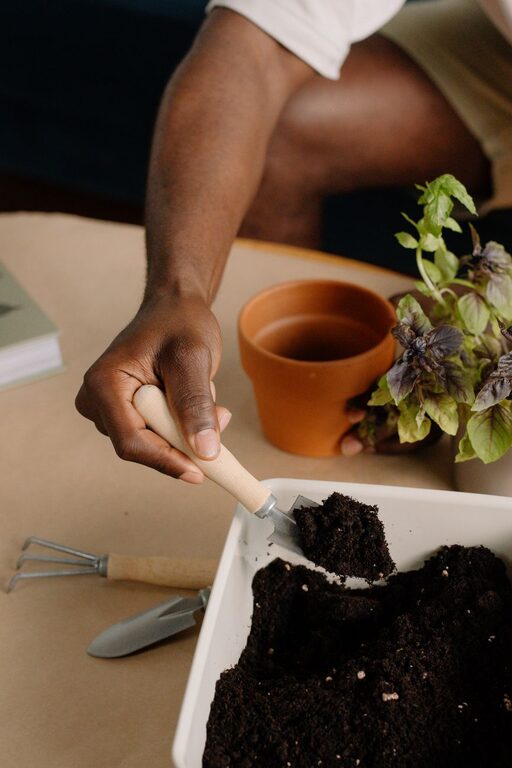
Growing a small herb garden indoors is a rewarding and practical way to enjoy fresh flavors right in your kitchen. Whether you have a spacious home or just a sunny windowsill, starting an indoor herb garden can brighten your space and elevate your cooking. This guide will walk you through the essentials of setting up your own indoor herb garden, from selecting the right herbs to caring for them throughout the seasons.
Why Grow Herbs Indoors?
Indoor herb gardens offer many benefits:
– Convenience: Fresh herbs on hand anytime you cook.
– Year-round growth: Grow herbs even if outdoor gardening isn’t an option.
– Space-saving: Ideal for apartments or small homes.
– Improved air quality: Indoor plants can help purify the air.
– Therapeutic: Gardening can reduce stress and boost mood.
Choosing the Right Herbs for Your Indoor Garden
Not all herbs thrive indoors equally. Start with herbs that are known for their adaptability and ease of care.
Best herbs to grow indoors:
– Basil: Great for pesto, salads, and Italian dishes.
– Parsley: Versatile and rich in vitamins.
– Mint: Perfect for teas and garnishes, but grow separately due to spreading roots.
– Chives: Mild onion flavor ideal for eggs and soups.
– Thyme: Hardy and aromatic, good in almost any dish.
– Rosemary: Woody herb that needs plenty of light.
– Oregano: Essential for Mediterranean cooking.
Try to pick herbs you frequently use so your indoor garden remains practical.
Selecting Containers and Soil
Containers:
Choose pots with drainage holes to prevent waterlogging, which can cause root rot. You can select:
– Small terra cotta pots
– Ceramic containers with drainage
– Recycled containers with added drainage holes
Soil:
Use a lightweight potting mix designed for indoor plants. Avoid garden soil as it may compact too much or bring pests indoors.
Finding the Right Location and Light
Herbs generally need 6 to 8 hours of sunlight per day. The ideal spot is:
– A south or west-facing windowsill
– Near a bright window where sunlight is direct
If natural light is limited, consider investing in a grow light. LED grow lights are energy-efficient and effective for supplementing light.
Planting Your Herb Garden
You can start your indoor herb garden from:
– Seeds: More affordable but require patience.
– Seedlings: Available at garden centers, faster start.
– Cuttings: Propagate from existing plants.
Steps for planting seeds or seedlings:
- Fill containers with potting mix, leaving an inch at the top.
- Plant seeds according to instructions (usually about ¼ inch deep).
- For seedlings, dig a small hole deep enough to cover roots and gently place the plant.
- Water gently to moisten soil but avoid sogginess.
Caring for Your Indoor Herbs
Watering:
Most herbs prefer soil that is moist but not wet. Water when the top inch of soil feels dry. Overwatering can lead to root rot, so ensure pots drain well.
Fertilizing:
Feed herbs with a balanced, water-soluble fertilizer every 4-6 weeks during active growth. Avoid over-fertilizing, which can reduce flavor intensity.
Pruning and Harvesting:
Regular pruning encourages bushier growth. Snip leaves or stems as needed, but avoid removing more than one-third of the plant at a time to keep it healthy.
Managing Pests and Problems:
Common indoor pests include aphids and spider mites. Monitor plants regularly and wipe leaves with a damp cloth or use natural remedies like neem oil if pests appear.
Tips for Success
– Rotate pots every week to ensure even sunlight exposure.
– Avoid placing herbs near cold drafts or heat sources.
– Use saucers to catch excess water and protect surfaces.
– Label your herbs, especially if you have many varieties.
Troubleshooting Common Issues
– Yellow leaves: Often caused by overwatering or poor drainage.
– Leggy growth: Lack of sufficient light; try moving plants closer to sunlight.
– Slow growth: Could be due to low nutrients or improper watering.
Enjoying Your Indoor Herb Garden
Freshly picked herbs add vibrant colors, fragrances, and flavors to your meals. Use your herbs in cooking, teas, or garnishes. You can also try drying some herbs to use later.
Starting an indoor herb garden is a simple and enjoyable project that brings gardening indoors with great benefits. With proper care, your small herb garden can thrive and provide fresh ingredients for your kitchen year-round. Happy gardening!